
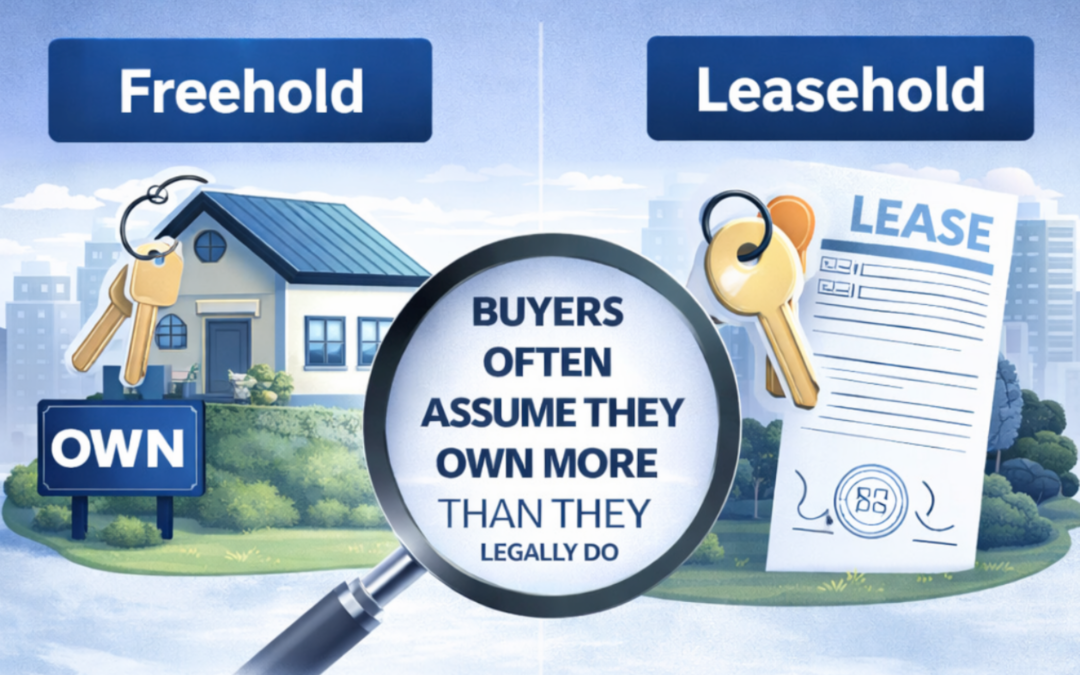
In Dubai’s fast-moving real estate market, ownership is often spoken about as if it’s a given. You buy a property, you own it simple. Except it isn’t. One of the most underestimated (and misunderstood) aspects of property ownership in Dubai is whether a property is freehold or leasehold. And this single distinction can quietly shape everything from your legal rights to your resale value.
What’s surprising isn’t that the difference exists it’s how often buyers overlook it until something goes wrong. First-time homeowners, overseas investors, heirs to inherited property, and even seasoned buyers in master developments frequently assume they own more than they legally do. In a market built on confidence and speed, assumptions can be expensive.
Why Ownership Type Deserves More Attention
Dubai’s property market is transparent by global standards, yet confusion around ownership persists. Marketing language, long lease terms, and location-based assumptions often blur the lines. Many buyers discover too late that their “ownership” comes with an expiry date or additional layers of approval they didn’t factor into their plans.
This is where understanding the difference between freehold and leasehold stops being a legal formality and becomes a strategic decision.
Also Read: Maximize Your ROI: Insider Secrets to Dubai’s Most Promising Real Estate Opportunities
Freehold vs Leasehold in Dubai
Freehold: Ownership Without an Expiry Date
Freehold ownership is exactly what most buyers imagine when they think of property ownership. You own the building and the land beneath it indefinitely. Your rights don’t expire, and your control within local regulations is broad. You can sell, lease, mortgage, gift, or pass the property to heirs without worrying about a ticking clock.
In Dubai, freehold ownership is clearly stated on the title deed, making it the strongest and most straightforward form of ownership. It’s also the option lenders and end-users typically prefer, which explains why freehold properties often enjoy stronger resale demand and financing flexibility.
That said, freehold isn’t universal. While UAE and GCC nationals have wider ownership rights, foreign investors can only own freehold in designated areas approved by the Dubai Land Department (DLD). Location, in this case, is not just about lifestyle—it’s about legal eligibility.
Leasehold: Ownership With Conditions
Leasehold ownership tells a different story. Here, you don’t own the land. Instead, you purchase the right to use the property for a fixed period commonly 30, 60, or 99 years. During that time, you can usually live in the property, rent it out, or even sell the remaining lease. But your rights are governed by the lease agreement, not absolute ownership.
The land remains with the freeholder, often a government entity, master developer, or private landowner. Once the lease term expires, ownership typically reverts unless an extension is negotiated. As the lease shortens, so does the property’s appeal affecting value, resale potential, and mortgage eligibility.
Leasehold properties often come with recurring costs such as service charges and, in some cases, ground rent. Maintenance responsibilities are usually shared or managed through a third party, which can be convenient but also means less autonomy.
How to Actually Confirm What You Own
If there’s one opinion worth stating clearly, it’s this: never rely on assumptions or sales language.
The most reliable way to verify ownership is through the Dubai Land Department’s Property Status Inquiry. Using official records, you can confirm whether a property is freehold or leasehold, along with any registered mortgages or legal encumbrances.
For buyers who prefer human insight over portals, working with a licensed, RERA-registered broker or legal advisor can add an extra layer of clarity. Beyond confirming ownership type, professionals can interpret lease terms, renewal rights, and hidden obligations that may not be obvious at first glance.
Another common pitfall is assuming that a property is freehold simply because it’s located in a well-known area. While communities like Palm Jumeirah, Dubai Marina, Business Bay, and Arabian Ranches are recognized freehold zones, that doesn’t guarantee every unit within them is freehold. Mixed-use and older developments can include both ownership types.
Also Read: Dubai Real Estate Market Reaches Record Dh917 Billion in 2025: What It Means for Investors?
Can Leasehold Become Freehold?
In theory, yes but in practice, it’s far from automatic.
A leasehold-to-freehold conversion is only possible if the property is located within a designated freehold zone, the landowner agrees to sell the land rights, and the Dubai Land Department approves the transaction. The process is treated as a new sale, involving valuation, transfer fees, and the issuance of a new freehold title deed.
In other words, it’s a possibility not a promise.
The Cost of Getting It Wrong
One of the most common mistakes buyers make is treating long leaseholds especially 99-year leases as “almost freehold.” Legally, they are not. As the remaining lease term shortens, property value and demand often follow suit. Financing options narrow, and exit strategies become more complex.
Another frequent error is assuming ownership based on property type. Villas, townhouses, and apartments can all fall under either ownership structure. The only source that matters is the official record.
Also Read: Why Dubai Maritime City Is Emerging as Dubai’s Smartest Real Estate Investment Region
Final Thought
In Dubai, property ownership is not just about location, price, or design it’s about rights. Whether a property is freehold or leasehold directly affects your long-term security, flexibility, and financial outcomes.
The good news? This is one risk that’s entirely avoidable. By verifying ownership through official channels and seeking guidance from RERA-verified professionals, buyers can move forward with clarity instead of assumptions.
In a market built on opportunity, knowing exactly what you own isn’t just smart it’s essential.